How Connecticut's judicial foreclosure process works, step by step
By Omar Novak · Updated 2026-07-22
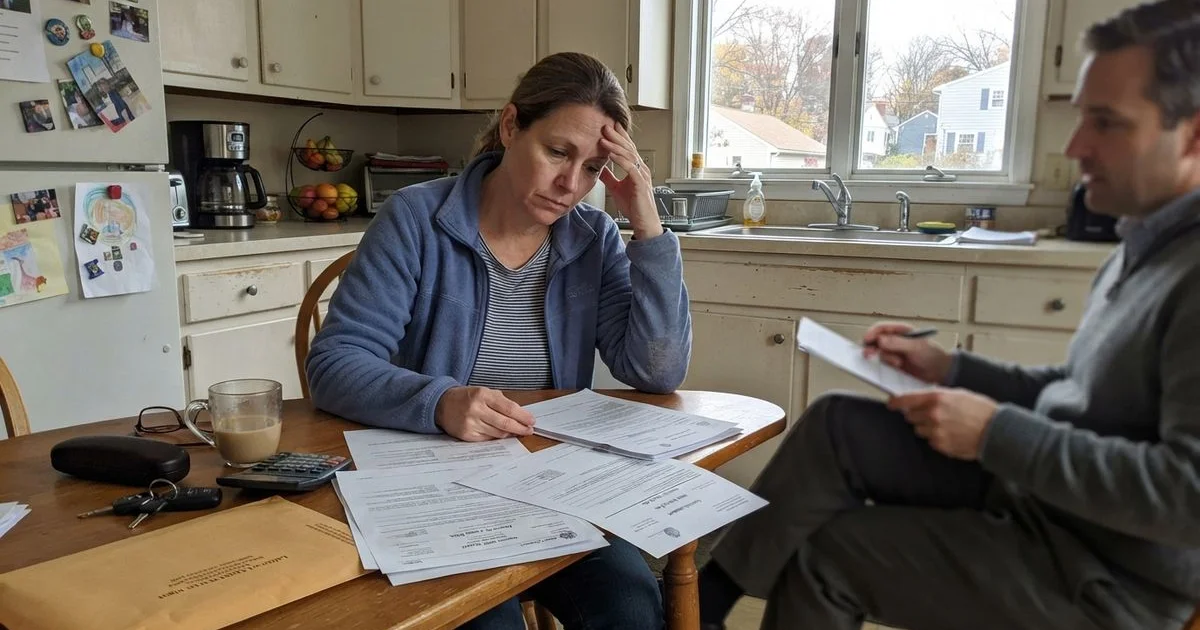
Connecticut is one of a small number of states that requires every foreclosure to go through the court system, called judicial foreclosure. That means more paperwork and more court dates than in states with faster, non-judicial processes, but it also means more points where a homeowner can respond, negotiate, or contest the case.
It starts before any lawsuit is filed
Before a lender can foreclose, Connecticut law requires it to send a written notice of intent to foreclose, giving the homeowner a set window to catch up on payments or request loss mitigation options like a repayment plan or modification. This is the earliest and often most valuable point to get legal help, since the homeowner still has the most options available and the least legal cost has accrued.
If nothing is resolved during that notice period, the lender’s attorney files a foreclosure complaint in Superior Court, and the case officially becomes a lawsuit. If a sudden drop in income, like a job loss, is what caused the missed payments in the first place, this guide on what to do first after a missed mortgage payment covers the immediate next steps.
The lawsuit phase
Once filed, the homeowner is served with the complaint and has a limited window to file an appearance and response. This is a critical deadline. Homeowners who don’t respond risk a default judgment entering without ever having their side heard.
If a response is filed, the case can move through pretrial conferences, potential referral to Connecticut’s foreclosure mediation program, and, in some cases, motions addressing legal defenses. Many cases settle through a modification or repayment agreement during this stage rather than proceeding to judgment.

From judgment to sale
If the case isn’t resolved, the court eventually enters a judgment of foreclosure, setting a specific date, sometimes called a law day, by which the debt must be paid or ownership shifts. Connecticut courts use two main remedies, and which one applies affects what happens next.
| Remedy | How it works | What it means for the homeowner |
|---|---|---|
| Foreclosure by sale | The court orders a public sale of the property | Any excess proceeds after debts and costs are paid may go to the homeowner |
| Strict foreclosure | Title passes directly to the lender on a set date | No public sale; the homeowner’s ownership interest ends on that date |
Which remedy a court applies generally depends on how much equity is in the property and other case-specific factors, which is one reason legal advice matters at this stage.
The role of foreclosure mediation
Connecticut runs a court-connected foreclosure mediation program that gives homeowners and lenders a structured setting to discuss options like a loan modification or repayment plan before the case proceeds toward judgment. A homeowner who requests mediation, or is referred into it by the court, meets with the lender’s representative, often with a housing counselor involved, to see whether a resolution short of losing the home is possible.
Mediation doesn’t guarantee an outcome, and not every case results in an agreement, but it adds a structured checkpoint into the process that many homeowners find useful, especially if they haven’t had success reaching their servicer on their own.
What the court actually looks at along the way
Throughout the case, the court is primarily confirming that the lender has followed the correct legal steps, that the debt and amount owed are accurate, and that the homeowner has had a fair opportunity to respond. Homeowners sometimes assume a judge will independently push for a settlement, but the court’s role is narrower than that. It’s largely up to the homeowner, ideally with legal help, to actively raise defenses or pursue settlement options rather than assuming the process will slow down or resolve on its own.
Where homeowners actually have room to act
The period right after receiving the notice of intent to foreclose is when negotiating a loan modification, forbearance, or repayment plan tends to be most productive, since the lender has not yet incurred the cost of litigation. Once a lawsuit is filed, responding by the deadline preserves legal defenses and keeps settlement conversations open. Even after judgment, homeowners sometimes still have short windows to act, depending on the specific remedy and case posture, so getting legal advice at every stage rather than assuming it’s too late is worth the call.
For attorneys who focus specifically on this process, browse the foreclosure defense and loan modification category, where listings reflect client feedback on responsiveness and case outcomes. The home page lists the other legal categories covered in this directory, and how we rank explains how listings are scored.
This is a general overview of Connecticut foreclosure procedure, not legal advice for a specific case. Deadlines and available defenses depend on the details of your loan and court filings, so confirm your situation with an attorney.
Common questions
- How is Connecticut's foreclosure process different from other states?
- Connecticut requires every foreclosure to go through the court system, unlike states that allow a lender to foreclose without a judge's involvement. This means a homeowner always gets served with a lawsuit and has the right to respond before losing the property.
- How long does a Connecticut foreclosure usually take from start to finish?
- It varies widely based on court docket, whether the case is contested, and settlement discussions, but many uncontested cases take several months, while contested cases can take a year or more. An attorney can give a more specific estimate based on your court and case status.
- What is the earliest point a homeowner can try to stop a Connecticut foreclosure?
- The earliest and often most effective point is right after receiving a notice of intent to foreclose, before a lawsuit is even filed. Options generally narrow as the case moves closer to judgment.
- Does a homeowner get to keep living in the house during the foreclosure process?
- Generally yes, until the process concludes and title transfers or a sale closes. Some homeowners who remain past that point may be required to pay use and occupancy amounts set by the court.
Related on this site
- Browse foreclosure defense & loan modification providers
- What a foreclosure defense attorney costs in Connecticut
- Missed a mortgage payment after losing your job? What to do first
- Helping an aging parent avoid foreclosure in Connecticut
- What to expect if you're facing eviction in Connecticut
- All guides →