Evictions & Landlord-Tenant in Greater Hartford
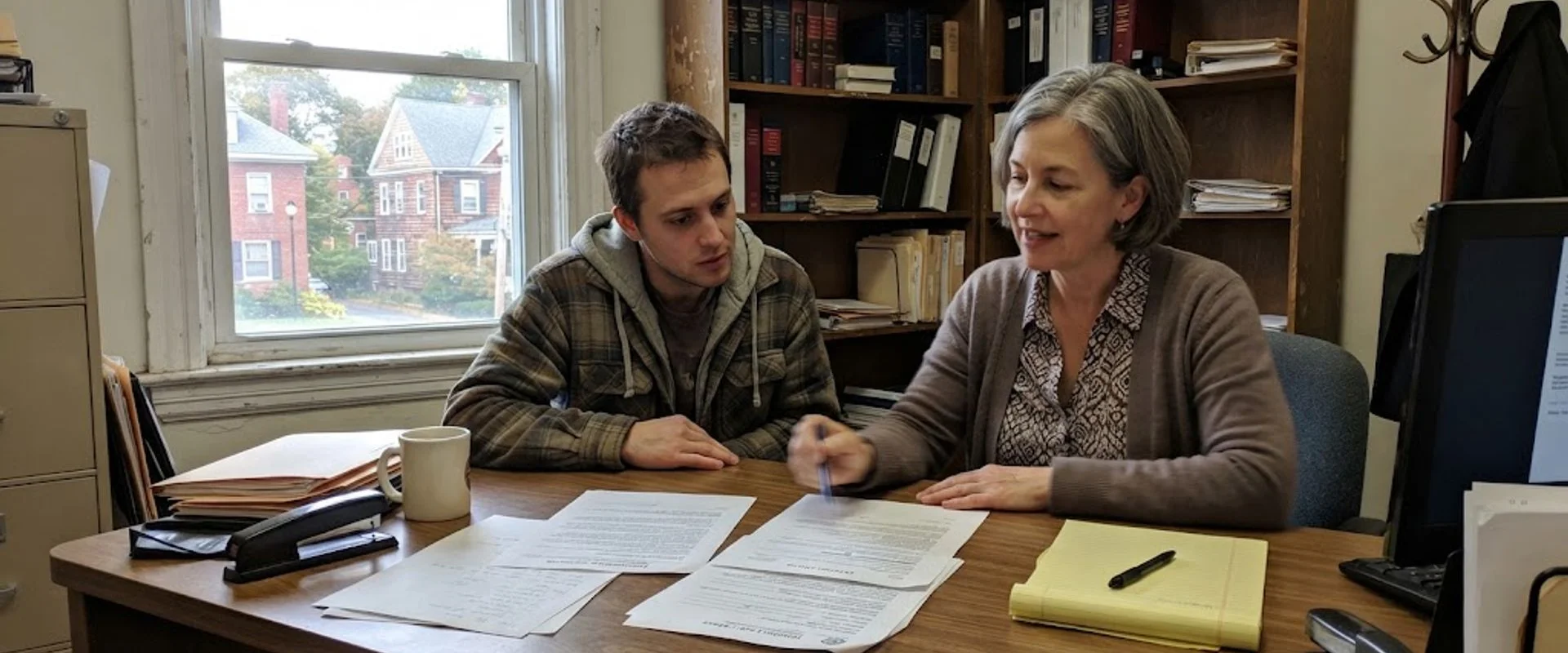
Connecticut handles evictions through a specific court track called the summary process, and it moves faster and more strictly on paperwork than a typical civil case. A landlord who serves the wrong notice, misses a deadline, or skips a required step can lose months and have to start over. A tenant who doesn't answer the complaint on time can lose the right to raise a defense at all. This category covers attorneys across Greater Hartford who represent landlords, tenants, and property managers in these matters, from notice to quit through lockout.
The 49 firms listed here handle a mix of work: nonpayment and lease-violation evictions, lockout and habitability disputes, security deposit fights, lease drafting and review, and Section 8 or subsidized housing cases, which carry extra federal and state notice rules. Some firms work almost exclusively for landlords and property management companies; others focus on tenant defense, often through legal aid partnerships or reduced-fee arrangements. A few handle both sides depending on the case. Before you call anyone, know which side of the table you're on, because it affects who can actually take your case.
What to look for in an attorney
- Housing court experience specifically. Summary process runs in its own docket (Hartford Housing Session) with its own timelines. A general litigator who rarely appears there can misstep on notice periods or return dates.
- Clear, upfront fee structure. Ask whether it's flat-fee per eviction, hourly, or a retainer, and what happens if the tenant contests and the case drags into a hearing or trial.
- Familiarity with your property type. A single-family landlord dispute is different from a 40-unit complex working through a management company, and subsidized housing adds federal rules on top of state law.
- Realistic timeline expectations. Anyone who promises a lockout in a week regardless of the tenant's response isn't giving you a straight answer.
How our scoring works
We rank firms in this category using verified review volume and rating, responsiveness signals, how long they've operated in the area, and consistency of information across public listings. We don't accept payment for placement. The full breakdown of factors and weighting is on our methodology page, so you can see exactly why a firm lands where it does before you pick up the phone.
Get matched with evictions & landlord-tenant
Free and no obligation. Tell us what you need and we'll connect you with qualified attorneys in your area.
All evictions & landlord-tenant, ranked by score and relevance
49 businesses. The order weighs each business's overall score by how much of its reviewed work is evictions & landlord-tenant, so a lower-scored specialist can rank above a higher-scored generalist. Filter and sort below, or open the full map view.









































Enquiries you submit through our forms may be passed to partner providers who can do the work, and we may receive a referral fee. Our rankings and scores are based on our published method only and are not affected by referral fees.
Common questions about evictions & landlord-tenant
- How much does an eviction attorney cost in the Hartford area?
- Landlord-side flat fees for an uncontested nonpayment eviction commonly run somewhere in the $500-$1,500 range for filing through judgment, with extra charged if the tenant answers and the case goes to a hearing or trial. Hourly rates and contested cases can run well past that. Tenant-side representation is often available through legal aid or reduced-fee clinics if income qualifies, which is worth checking before paying full private rates.
- How long does the eviction process typically take in Connecticut?
- An uncontested nonpayment case can move from notice to quit to judgment in roughly 5-8 weeks if the tenant doesn't answer. If the tenant contests, files an appearance, or raises defenses like habitability issues, it can stretch to several months, especially if the court docket is backed up. Lockout by a marshal only happens after judgment and any appeal period runs.
- What should a landlord or tenant expect at the first meeting?
- Bring the lease, any notices already served (or received), payment records or ledgers, and photos or records of any habitability complaints. A landlord-side attorney should walk through whether the notice to quit was drafted and served correctly, since a defective notice is the most common reason a case gets dismissed and has to restart. A tenant-side attorney should ask about total time in the unit, any repair complaints on record, and whether rent was withheld and why.
- How do I judge whether an eviction attorney is any good?
- Look for a track record specifically in Hartford Housing Session or the surrounding district, not just general litigation. Ask how they handle the return date and whether they've dealt with cases involving Section 8 or subsidized tenancies if that applies to you. Straightforward answers about cost and timeline, rather than guaranteed outcomes, are a good sign, since summary process outcomes hinge heavily on paperwork and deadlines neither side fully controls.
Guides to choosing evictions & landlord-tenant
- Connecticut eviction laws every landlord and tenant should know
A plain-English look at how eviction works under Connecticut law: required notices, court steps, and the rights both landlords and tenants actually have.
- What to expect if you're facing eviction in Connecticut
A step-by-step look at what happens after you get an eviction notice in Connecticut, how long the process usually takes, and what to do at each stage.